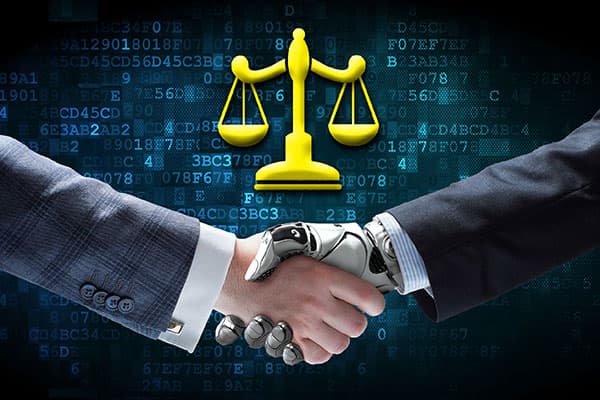
Digitalization is steadily penetrating all areas of life — from education and healthcare to public administration and justice. For the Czech Republic, as well as other European Union countries, transforming the legal system using digital technologies has become not just a trend, but a necessity dictated by the times. The promise of faster judicial processes, access to legal aid, and transparency in decision-making all comes with digitalization. However, this shift also brings serious challenges — from technical difficulties to ethical and legal concerns.
Current Status of Digitalization in the Czech Republic
The Czech Republic is progressing toward electronic justice (e-Justice) at a moderate yet steady pace. Today, it is already possible to submit legal applications online, use electronic court systems (ePodatelna), and access public registries and databases such as the Criminal Register (Rejstřík trestů) and the Insolvency Register (Insolvenční rejstřík). Public portals like justice.cz allow citizens to track the progress of cases and submit documents electronically. The introduction of electronic identification via the eObčanka (electronic ID card) was a significant step toward safer interaction with government bodies.
Nevertheless, full digitalization of the legal system is still underway. Many courts and government agencies continue to rely on paper-based documentation, and the transformation is hampered by staff shortages, limited resources, and the legal system’s inherent resistance to change.
Main Challenges of Digital Transformation
One of the key challenges is ensuring data security and confidentiality. In an age where cyber threats are becoming increasingly sophisticated, protecting personal and judicial data is of utmost importance. Any breach of confidentiality could undermine public trust in the legal system.
Another difficulty lies in the unequal level of digital literacy among judicial personnel and the general population. Digitalization assumes the use of portals, digital signatures, and electronic document handling — all of which require training and adaptation. Without proper preparation, the shift to digital processes may exacerbate the legal divide between different social groups.
A major obstacle is the complexity of modernizing the existing legal infrastructure. Czech legislation must be adapted to technological realities. This involves not only technical issues but also philosophical ones: Can a decision made by an algorithm or supported by artificial intelligence be considered fair? How can we ensure the transparency and accountability of automated systems?
Prospects: The Future of Legal Digitalization
The future of the Czech legal system lies in the integration of modern digital solutions. The country is already actively participating in EU-level programs for the development of e-Justice. In the coming years, we can expect further implementation of electronic judicial proceedings, broader availability of online consultations, remote court hearings, and extensive use of AI technologies.
Judicial algorithms and AI-powered analytical platforms can process large volumes of case law, helping judges make well-informed decisions. This does not imply replacing humans with machines, but it can significantly enhance judicial efficiency. For instance, countries in the Benelux region and Germany are already testing such platforms, and in the future, the Czech Republic could benefit from their experience.
The development and implementation of digital assistants for citizens is another promising direction. User-friendly applications could help people draft complaints, lawsuits, and requests, or explain legal procedures. This would improve access to legal aid for wide segments of the population, especially those living in rural areas or with limited mobility.
We can also expect to see expansion in cross-border legal cooperation. Within the EU’s Digital Single Market, cooperation between judicial authorities across countries — including the Czech Republic — will increasingly rely on unified digital platforms. This will speed up the handling of international cases, simplify the recognition of judgments, and foster mutual trust between jurisdictions.
Ethical and Legal Aspects of Digitalization
Digitalization brings not only technical but also ethical challenges. How can human rights be safeguarded in a digital environment? How should the use of artificial intelligence in courts and legal consulting be regulated? These questions are being actively discussed at international forums, and the Czech Republic must take part in shaping the standards of digital jurisprudence.
The issue of algorithmic fairness is particularly pressing. If an algorithm makes decisions affecting human lives — even at the stage of preliminary analysis — we must clearly understand the criteria it uses and who bears responsibility. This calls for transparent code, the possibility of audits, and involvement of legal professionals in the development of such systems.
It is also essential to reconsider the fundamental principles of access to justice. Digitalization must not create new barriers — for example, for the elderly or migrants who do not speak Czech. That’s why it is important to develop multilingual, user-friendly interfaces and ensure offline alternatives for those unable or unwilling to use digital tools.
Conclusion
Digitalizing the legal system is not a one-time reform but a long-term process of rethinking approaches to justice, access to legal assistance, and the functioning of state institutions. For the Czech Republic, this is an opportunity not only to modernize outdated procedures but also to build a more fair, transparent, and accessible justice system.
However, the path to digital law is filled with challenges. Successful transformation will require a synergy of efforts among the government, IT specialists, legal professionals, and citizens themselves. Only with careful attention to ethics, human rights, and technical resilience can digitalization become a true instrument for advancing the rule of law in the Czech Republic.